…but not the type you might be thinking.

Waves are all around us – we see them in the ocean, hear them in the form of sound, and even feel them as earthquakes. But what exactly are waves, and how do they work?
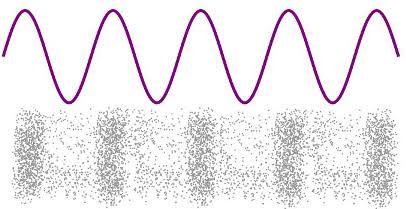
In physics, a wave is a disturbance that travels through space and time, usually accompanied by a transfer of energy. There are many different types of waves, including mechanical waves and electromagnetic waves.
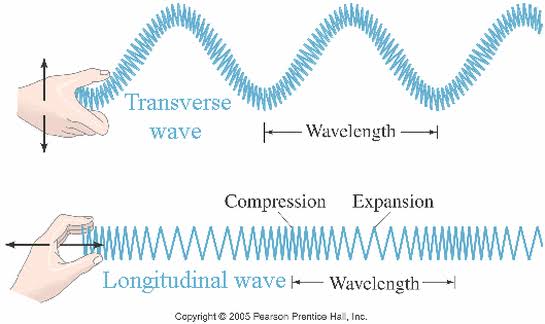
courtesy of waves forever
Mechanical waves are waves that require a medium – a substance through which the wave can travel. Examples of mechanical waves include sound waves, which travel through air or other gases, liquids, or solids, and surface waves, which travel along the surface of a liquid.
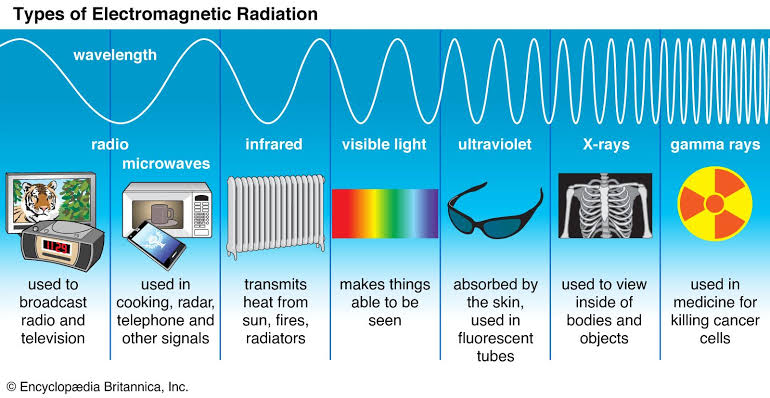
Encyclopaedia Britannica
Electromagnetic waves, on the other hand, do not require a medium to travel through. Examples of electromagnetic waves include radio waves, microwaves, infrared radiation, visible light, ultraviolet radiation, X-rays, and gamma rays.
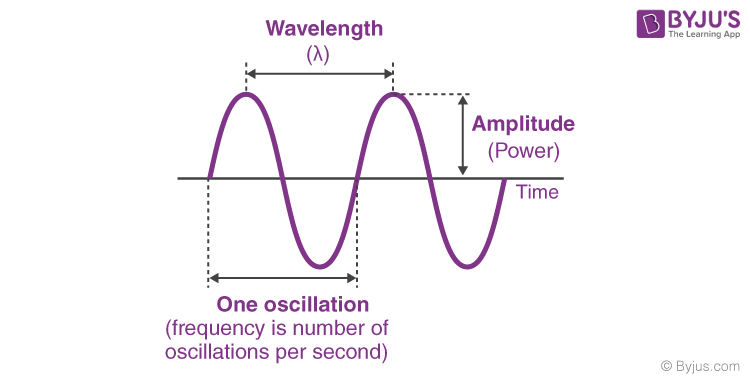
One important property of waves is their frequency, which is the number of wave cycles that pass a fixed point in a given time period. The unit of frequency is the Hertz (Hz), which represents one wave cycle per second. The frequency of a wave determines its pitch – for example, a high-frequency sound wave will have a high pitch, while a low-frequency sound wave will have a low pitch.
Another important property of waves is their amplitude, which is the maximum displacement of the wave from its equilibrium position. The amplitude of a wave determines its intensity or strength – for example, a high-amplitude sound wave will be louder than a low-amplitude sound wave.
Waves can also interfere with each other, resulting in constructive interference (when the waves reinforce each other) or destructive interference (when the waves cancel each other out). This can lead to interesting patterns such as standing waves and beat frequencies.
In conclusion, waves are a fundamental aspect of the physical world, and understanding their properties and behaviours can give us insights into a wide range of phenomena. Whether we are listening to music, using a cell phone, or watching a light show, we are interacting with waves in one way or another.

 Daily Physics